Package Design
Apr 09, 2026
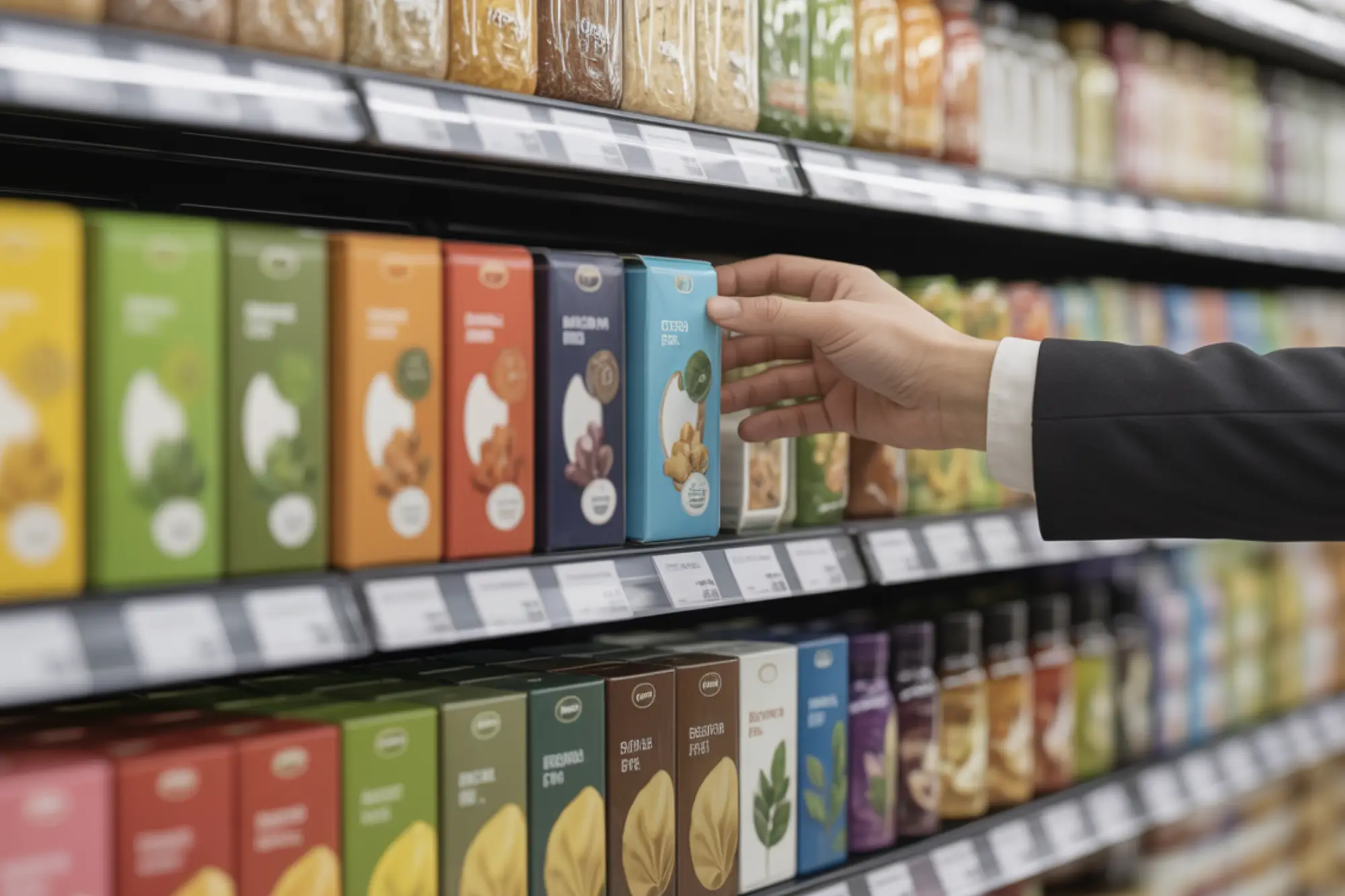
Have you ever taken a product without intending to purchase it, just because it looked good? Obviously yes, right? Everyone has done it. It is not always the price, not even the brand, but something about the manner in which it is placed on the shelf that calls out. That’s not accidental. Psychology of packaging at work.
A question, by your leave, when you enter a store, what catches your eye first? Is it color? Shape? Typography? Or perhaps something you just can’t articulate? It is that instinctive pull, which brands are investing in. And when you begin to see it, you will never view a product in the same light.
What Is packaging psychology?
I prefer to consider the psychology of packaging as a silent dialogue between a customer and a product. We experience something before we read labels or make a comparison between prices. The feeling usually determines the choice of picking up the product or passing by.
Consider it, have you ever been thinking of green packaging as being something healthy or environmentally friendly? Or black wrapping of something high-end? Your brain is reading signals in a flash. Here consumer behavior is interesting. It is not only that we purchase products but also meanings, feelings, and identities.
And the interesting bit is that much of this occurs subconsciously. You don’t sit there analyzing it, do you? But the choice is already half-changed.
The art of making first impressions
Suppose you are shopping in an aisle of a supermarket. Hundreds of options. But what do you select?
I tend to grab the one that jumps out at me. Not in an obnoxious way, but with certainty. That is the wieldiness of visual appeal. It is not simply about making oneself pretty but about establishing an instant rapport.
Here colors are very significant. Urgency or excitement can be produced by warm colors such as red and yellow. The cool colors such as blue may give a feeling of trust and calmness. And then there is minimalism, ie, clean, simple designs that mumble sophistication.
Would you put your trust in a messy, badly made package in what you eat? Probably not. This is because your brain associates the quality of design with the quality of the product almost immediately.
Emotional triggers: reasoning feels good to buy
Here’s where things get even more interesting. Did you ever purchase something because it was reminiscent of your childhood? Or because it was a premium because you did not need it?
There is the emotional branding at work.
Companies do not only sell products but sell stories. A rustic design could make you think of homemade goodness. It can be a smooth metallic surface that will make you feel special. Even textures matter. Matte finishes tend to be contemporary, whereas glossy ones are energized and full of life.
I have observed that when a package evokes an emotion in me, then I have a better likelihood of purchasing it. Did you have that also?
This is an emotional linkage that forms an essential component of packaging psychology. It makes a mere purchase an experience.
The importance of brand perception
Ok, now we can speak about trust. When you come across a product, you immediately give a thought about the product before you even use it. That’s brand perception.
The question you need to ask yourself is, "Would you purchase a luxury perfume in inexpensive-looking packaging?" Or some organic food that has plastic-heavy, flashy wrap?
Probably not.
Packaging sets expectations. It informs you of what the brand means. Minimal, elegant design is employed in a premium brand. A snack, fun, brand applies vibrant, playful colors. Everything is intentional.
I have noticed that I tend to form a judgment of the product first before I form a judgment of the brand, simply upon seeing the packaging. And I’m not alone. The majority of the consumers do the same, though they may not be conscious of it.
This is why the psychology of packaging is not only the issue of aesthetics but also the positioning.
The role of simplicity in decision-making
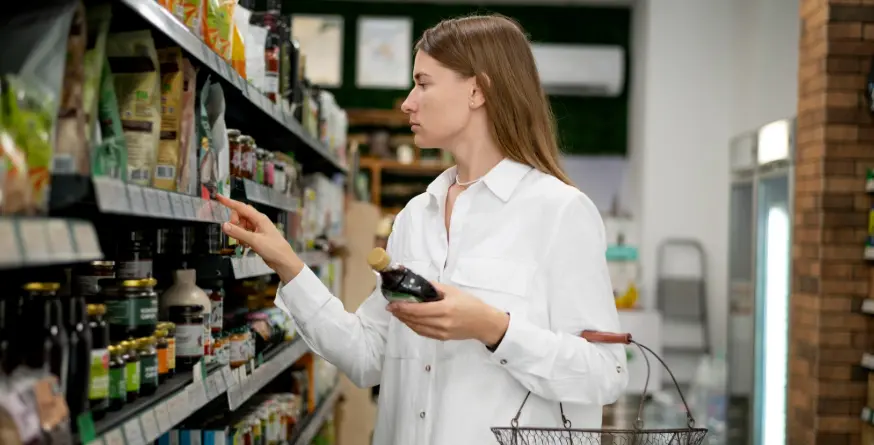
One question I have is, when you are in a hurry, do you read every bit on a package?
I don’t. I scan.
This is why simplicity is effective. Simple design, precise messages, and fonts that are simple to read assist the customers in making rapid decisions. Over-complicated packaging is frictional. And friction breeds hesitancy or it breeds rejection.
The optimal designs lead your eyes easily. They inform you of what the product is, why it is good, and why you should be interested all within seconds.
It is at this point that product packaging is a strategic tool and not a container.
The art of color and form
Colors are not a decorative thing; they are psychological activators. Red will help in stimulating an appetite (think food brands), blue will help in building trust (think tech or healthcare), and green will help in signaling nature and sustainability.
Shapes matter too. Rounded edges can be inviting and comfortable, whereas sharp edges are bold and powerful. The perception can be affected even by the size of packaging: a big size may be perceived as something more worthy, and small sizes as high-quality and efficient.
Have you ever experienced that a product has appeared to be expensive without glimpsing at the cost? Design at work.
And once again, this is packaging psychology that is affecting your choice without you even realizing it.
Consistency builds recognition
This is one of the things I have noticed—when I come upon a familiar design, I do not pause to think. I have faith in it immediately.
It is because consistency is a memory-building factor. Brands become known when they use the same color schemes, fonts, and design styles. You need not read the name—you know.
This uniformity enhances brand perception in the long term. It creates loyalty. And in a bustling market, that is all.
The importance of packaging beyond design
And, to be honest, packaging is not highly valued. Some believe that it is simply a product wrapping. But in truth, it is a strong marketing weapon.
It affects our mood, thoughts, and finally what we purchase.
Whenever you grab a product, question yourself: why this one? What was distinctive about it? Was it color, the feel, or the message, or was it more?
It's probably a mixture of these elements that interact with each other in packaging psychology.
Conclusion: the last reflection on each purchase
Well, when you actually start thinking about it, all the products you select have already talked to you even before you even touched anything. The real strength of packaging psychology is that silent influence, making decisions, affecting feelings, and creating the feeling of trust without uttering a single word aloud.
Then next time you are attracted to a product, stop and question yourself-- what made it unique? Was it the color, the simplicity, or the emotion it gave? This knowledge would entirely transform your perception of brands and how they relate to you.
And when you are a business and you need to use this power to your advantage, then having professionals on board would make all the difference. Brands N Codes is considered to be among the most suitable package design companies in India to create effective and efficient packaging designs. and this has assisted the brands to turn the thinking of powerful packaging psychology into real market influence and quantifiable growth.

Related Articles