
Package Design
Feb 24, 2026
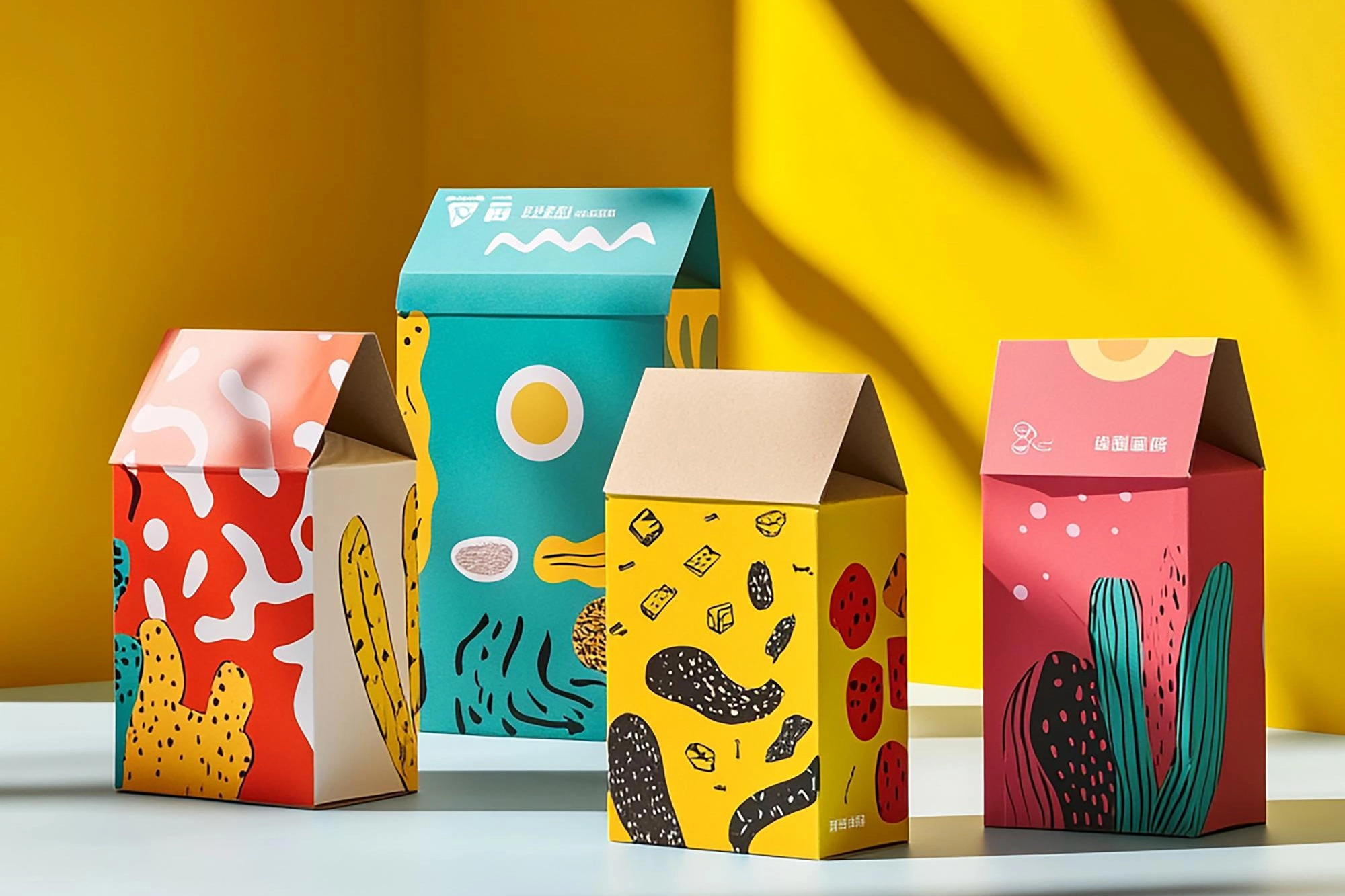
In the current competitive market, brands do not only compete based on the quality or price of the product. Consumers are now moving towards brands that evoke emotions in them. Emotional branding works at this point. Brands can build a strong relationship with a customer beyond the product itself through considering packaging.
Packaging is what a customer has the most physical contact with a brand. The product is telling a story even before its opening due to the texture, color, typography, and general design. Packaging can invoke nostalgia, excitement, trust, or happiness when done effectively, as the customers become more predisposed to purchase that brand again.
This blog discusses the relationship between emotional branding using packaging and customer behavior and how companies can apply it to achieve stronger brand loyalty.
What is emotional branding?
Emotional branding is the approach of ensuring a strong emotional attachment between a brand and a customer. Emotional branding appeals to emotions, experiences, and personal identity as opposed to just features or even functional advantages.
Once a brand can practice emotional branding properly, the consumers do not merely purchase a product; they purchase a story, a way of life, or a faith.
To illustrate the point, an upscale perfume manufacturer could employ fancy wrappings and classy color schemes to give customers a sense of exquisiteness and prestige. In the meantime, an organic food company can apply a natural texture and greener materials as a message of purity and sustainability.
These emotional triggers assist the consumers in relating to the brand immediately, prior to trying out the product.
The importance of packaging in emotional branding
It is a great tool for storytelling in packaging. It is the linking point between the product and the emotions of the customer.
A personality and the values of a brand can be expressed immediately with the help of the right package design The perception of a consumer is affected by the packaging as soon as a consumer observes a product on the shelf or gets it as a part of online delivery.
Packaging helps in emotional branding in the following way:
1. Immediate appeal is formed through appeal to the eye
Human emotions are powerful casualties of colors, typography, and imagery. Light colors can produce the effect of excitement, and the dull colors can produce the effect of peace or beauty.
When using pastel colors, for example, they are commonly linked to comfort and warmth, and this makes them trending in skincare or wellness packaging.
Using carefully crafted images, brands can immediately switch emotions that support their brand message, contributing to emotional branding.
2. Packaging tells a story
One of the best tools in branding is storytelling. Packaging is able to convey the story of a brand by use of drawing, text, and design.
For example:
Handcrafted products can be used to emphasize craftsmanship by using rustic packaging.
Green brands can be focused on recyclable materials and sustainability.
Luxury brands tend to adopt low-key designs in an attempt to convey sophistication.
These are part of emotional branding, as it enables the customers to identify with the brand story.
3. Unboxing enhances brand affiliation
Unboxing is an experience of the customers in the social media age. Retailers can attract a larger audience through the unique packaging designs to share their experiences with others on the internet.
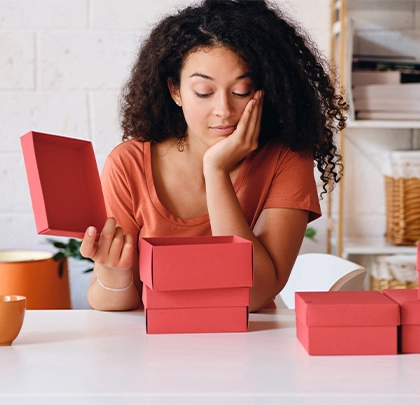
Considerate details in the packaging like personalized messages or ingenious inserts or overlays make a customer feel special. These minor gestures are a big part of emotional branding, which will ensure that the product is memorable.
When customers have positive experiences during unboxing, this can make them become a loyal customer.
Psychology of emotional branding
To develop powerful packaging designs, it is important to understand human feelings. Psychology of branding involves the use of colors, shapes, and texture to make customers perceive and make a customer judgment.
The following are some of the psychological triggers in packaging:
- Red stimulates speed and urgency.
- Blue generates trust and reliability.
- Green is a symbol of nature and sustainability.
- Luxury and sophistication are communicated by black.
CIn the same way, perception is also affected by packaging materials. The matte finishes tend to be high-quality, whereas the natural ones use natural texture and create the effect of authenticity.
When these components are integrated in a strategic way, brands will be able to engage in emotional branding and a greater psychological impact.
Creating an emotional brand name with packaging
In order to be unique, companies need to build an emotional brand with a consistent and recognizable image. Packaging design is very crucial in this
Intense emotional brand identity guarantees that each of the elements, such as color palette, messaging, and others, correlates with the core values of the brand.
The following are some of the main factors that add up to emotional identity in packaging:
1. Consistent brand colors
The use of the same colors assists the customer in recognizing a brand immediately. Emotional branding becomes strong when customers keep linking a certain color palette to positive emotions.
2. Meaningful typography
Personality can be expressed through fonts. Bold type is an indication of being confident and strong, and sleek scripts are associated with being elegant.
3. Authentic messaging
Emotional branding can be greatly enhanced by the use of short emotional messages on the packaging. The words that evoke a sense of trust, care, or appreciation make the customers feel that they have a personal connection to the brand.
4. Packaging emotional strategy of branding
A successful emotional branding plan is a demanding task that needs proper planning and creativity.
Firstly, businesses have to know who they are targeting and what emotions they would wish to trigger. It could be happiness, contentment, fidelity, or elation, but the package designing should always express that feeling.
The following are some of the steps that can be used to develop an effective packaging strategy:
- Understand Your Audience
- Explore customer preferences, lifestyle, and emotions
- Define Brand Personality
- Choose to make the brand luxurious, friendly, playful, or professional
- Select the Appropriate Design Elements
- Choose colors, textures, and images that correspond to the desired emotional reaction
Design experiences to remember
Add novel features of packaging, which impress and excite customers.
Emotional branding is an effective source of differentiation and long-term loyalty when the brands manage to take these steps.
Expert packaging designers
To design a package that provides an effective communication of feelings, one should be skilled in design, branding, and consumer psychology.
Professional packaging designers know how to integrate the appeal to visuals and strategically branded products to create effective design.
Such firms as brands n codes which is known as the best package design services company in India and the best package design company in Kerala, also specialize in designing packaging that has an emotional appeal to customers.
Their combination and mixture of creativity and strategic thinking allow brands to create packaging that not only is aesthetically pleasing but also enhances emotional branding.
Final thoughts
Packaging has become more than a mere coating in the current experience-driven market and is actually a strength of branding. Combining storytelling, psychology, and considered design, packaging can enable businesses to build quality customer relationships.
Emotional branding enables brands to go out of transactional relationships and establish enduring emotional relationships with the customers. Providing products with the appropriate emotions, the packaging turns them into experiences and customers into repeat purchasers.
Any business that seeks to differentiate itself in the saturated markets can no longer afford not to invest in a considerate packaging design.
Brands can achieve memorable experiences that make an impression by using emotional branding by designing packaging that will appeal to consumers.